
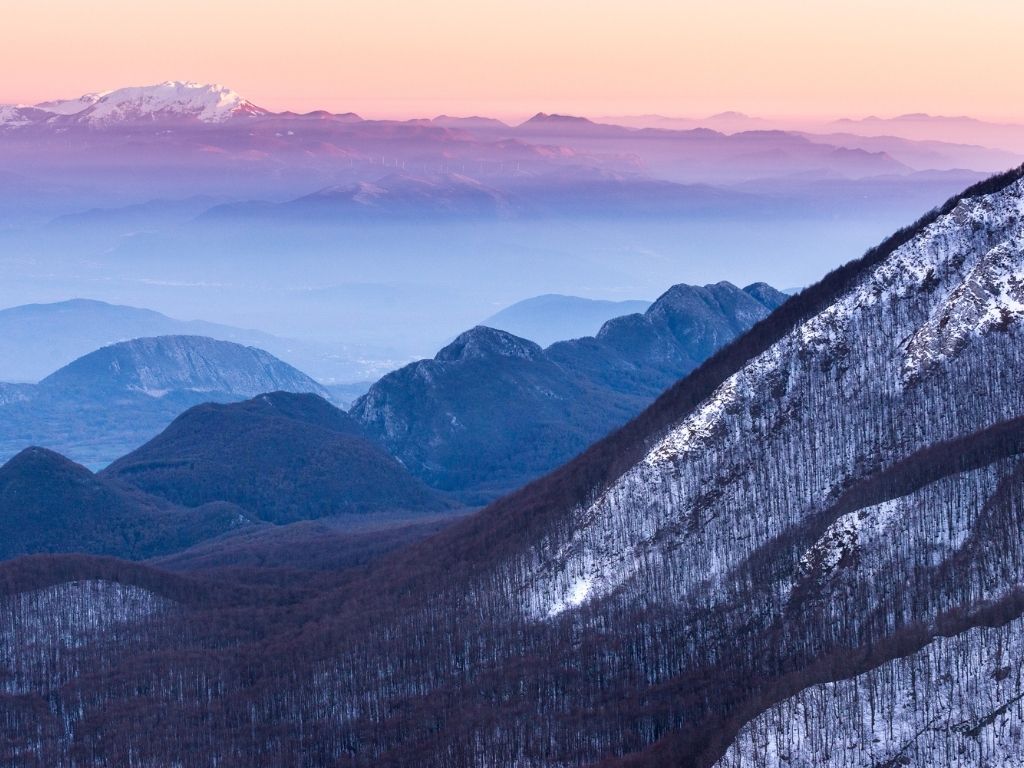
Highlights of this trip
The Central Apennines represent one of the most important regions for the conservation of the Canis lupus italicus, where the species has returned to a stable presence after centuries of persecution. Accompanied by naturalists and certified local guides, participants learn to identify signs of wolf presence—tracks, scent marks, howls, and predation—using non-invasive wildlife monitoring techniques. The return of the wolf is restoring key trophic dynamics essential to the biodiversity of mountain ecosystems. Wolf tracking allows direct observation of these processes and highlights the importance of large predators as keystone species and indicators.
The wolf is securely the animal that has attracted people’s imagination more than all the others since the ancient times. An extraordinary, intelligent and adaptable predator, that is able to travel through long distances and to survive in hostile environments and with scarce food resources. A little number (maybe less than 100) of wolves survived in the central-southern Apennines around the end of the 1960s. Then, the Apennine wolf has slowly but progressively expanded its area through a spontaneous recolonization process during the last 30/40 years. Nowadays a wolves population organized with a minimum of 7 or 8 packs has been living in the territory of the Abruzzo National Park.
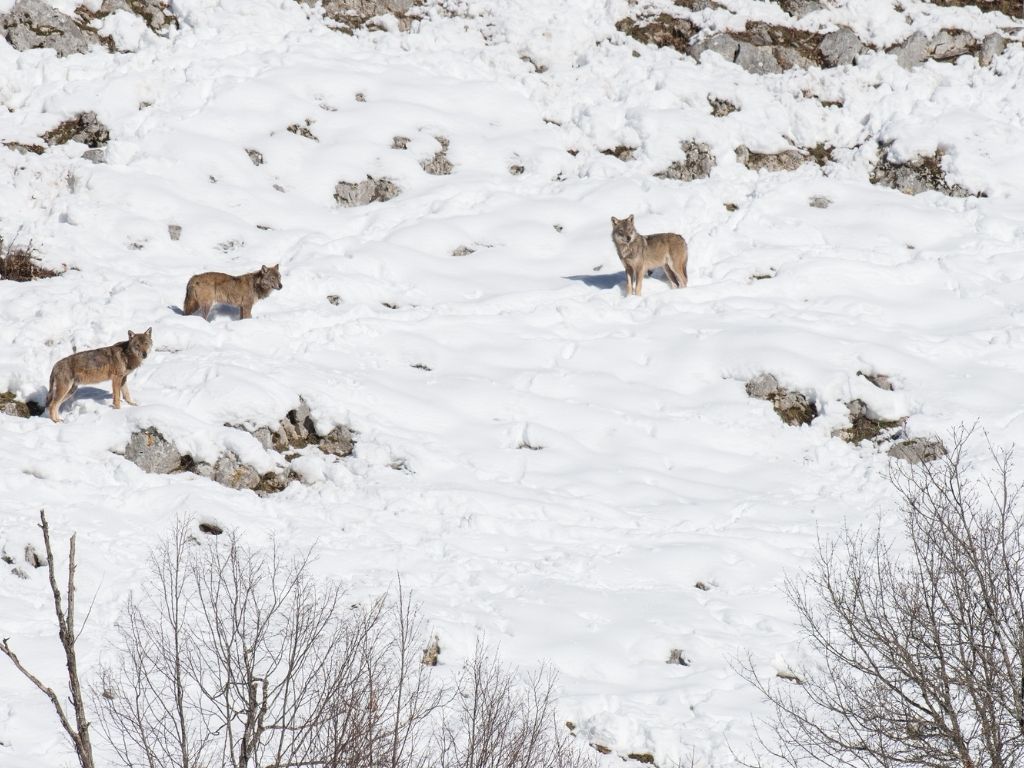
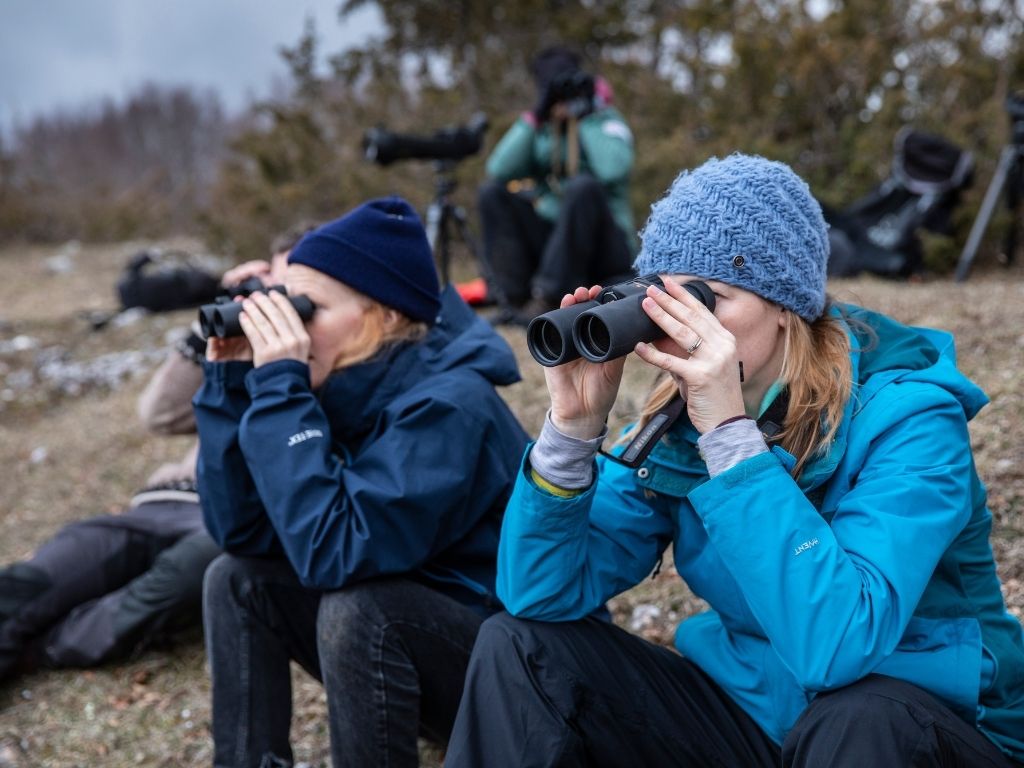
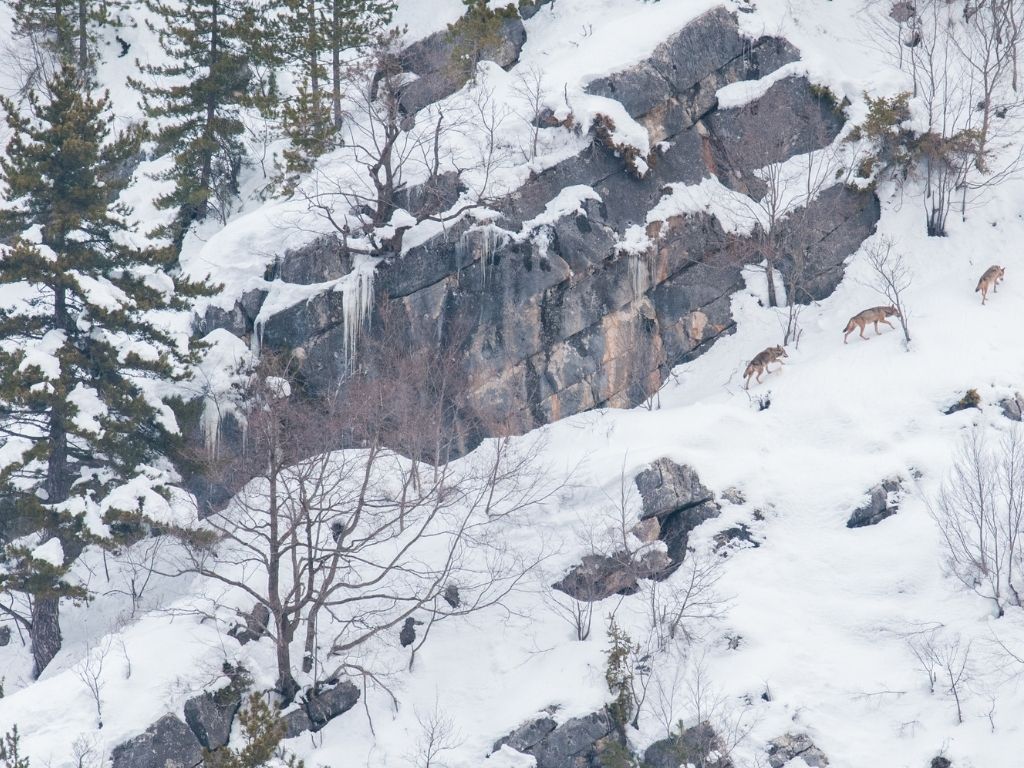
The Wolf Tracking in Abruzzo is an activity of total immersion in the world of the wolf, articulated in a few days experience in which, in addition to real Wolf-watching sessions aimed at the direct observation of free-ranging specimens, we alternate excursions in the habitat of the species in search of signs of its presence, also with the intention of introducing the participants to the complexity of the ecological relationships within a given wolf territory.
Winter is the wolf season. Wolf specimens move in smaller areas in relation to the concentration of potential prey. The snow makes it easier to read their footprints in the territory, and the mating season between wolves finally offers greater dynamics between individual wolves of different families.
Photogallery

what does this journey look like?
DAY 1 – How many wolves are there
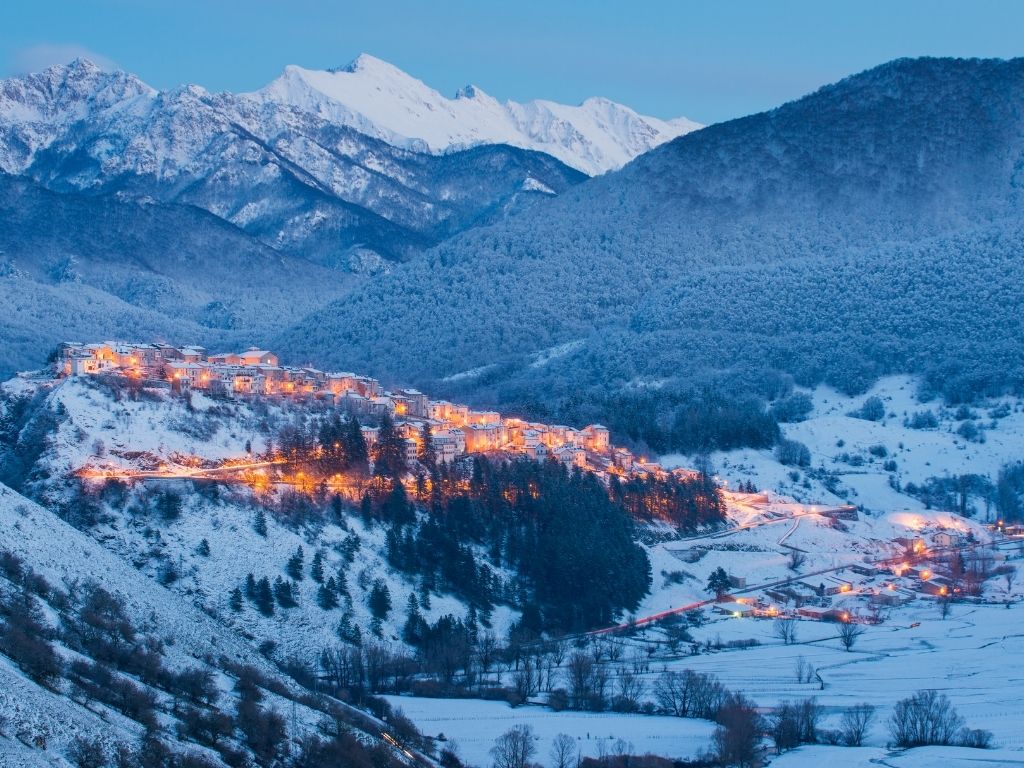
Meeting with guides at the Avezzano Bus Terminal at 2 p.m. Transfer to the Abruzzo, Lazio and Molise National Park and accommodation of participants in the hotel. At 4 p.m. departure for a first easy excursion until sunset. Return to the hotel in the evening, dinner and overnight stay.
DAY 2 – Live like a wolf in a man world’s
At dawn wildlife watching session. After breakfast, departure for a panoramic walk and search for signs of wolf presence. Possibility to observe deer, roe deer and wild boar grazing. Packed lunch and visit to the Apennine Wolf Museum in Civitella Alfedena to learn more about the conservation programmes implemented in Italy. Relax at the hotel and in the late afternoon another short evening excursion with wildlife watching activities and the chance to hear the characteristic howls. Dinner with local products and overnight stay.
DAY 3 – The pack, a couple and the sons
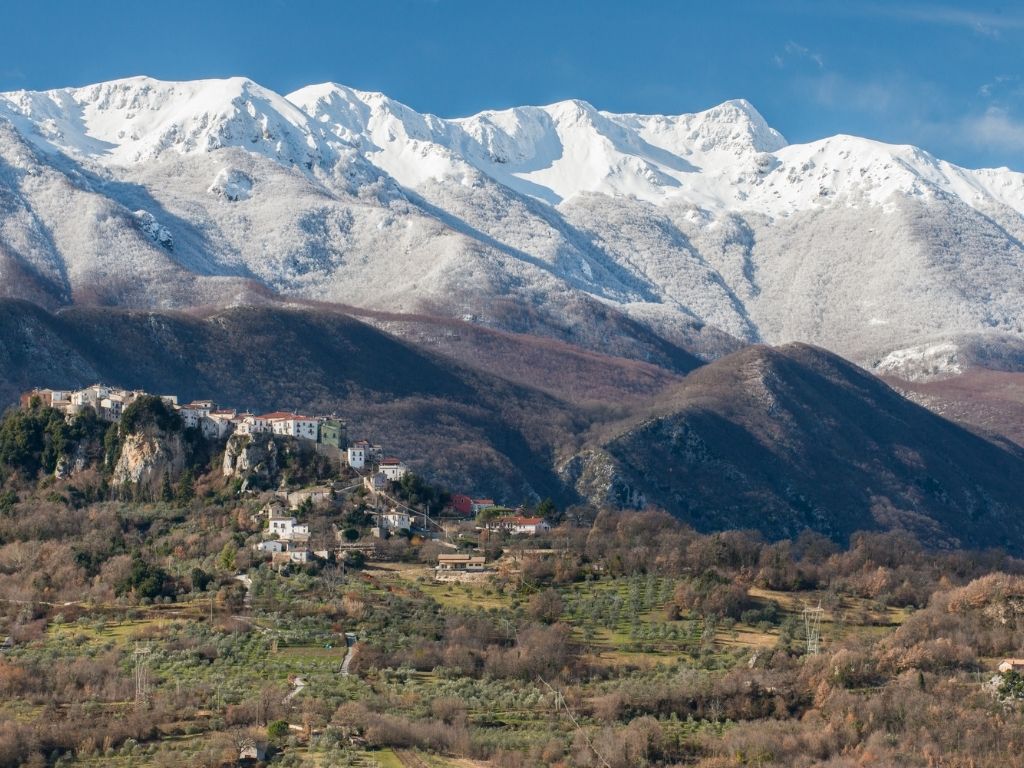
At dawn, we will be protagonists in the beautiful scenery at the foot of Mount Meta and of the Mainarde mountain range. A strong emotional impact place, characterized by rugged and wild mountains, fascinating for who lives far from this kind of landscape. Guided hike to the Passo dei Monaci to try to spot the endemic Apennine chamois and golden eagle. Return to the valley in the afternoon, hot chocolate and relaxation at the hotel. Dinner and overnight stay.
DAY 4 – From the magic of sacred waters to the return of wild nature
On our last day, we will explore the Giovenco valley. From the beautiful and variegated apple orchards of Ortona dei Marsi, we will visit the areas connecting the Central Apennine national parks, where local communities are working daily to achieve peaceful coexistence with returning wildlife. Return to the valley in the afternoon and last transfer of participants to the Avezzano Terminal Bus.
Practical information
Dates & Availability
- 19 -22 November 2026
- 5 -8 December 2026
- 14 – 17 January 2027
- 28 -31 January 2027
- 11 -14 February 2027
- 25 -28 February 2027
- 11 -14 March 2027
This trip can also be booked as a private tour for 2 or more people. Ask us for the options.
Costs (Included & Excluded)
€690 per person
Included:
- Expert local Naturalist Guide
- Internal transfers
- Hotel stay, double occupancy
- Dinner and breakfast
- Hot drink service with coffee, chocolate and tea
- Personal binoculars (Nikon 8×42)
- Spotting scope (Nikon and Leica)
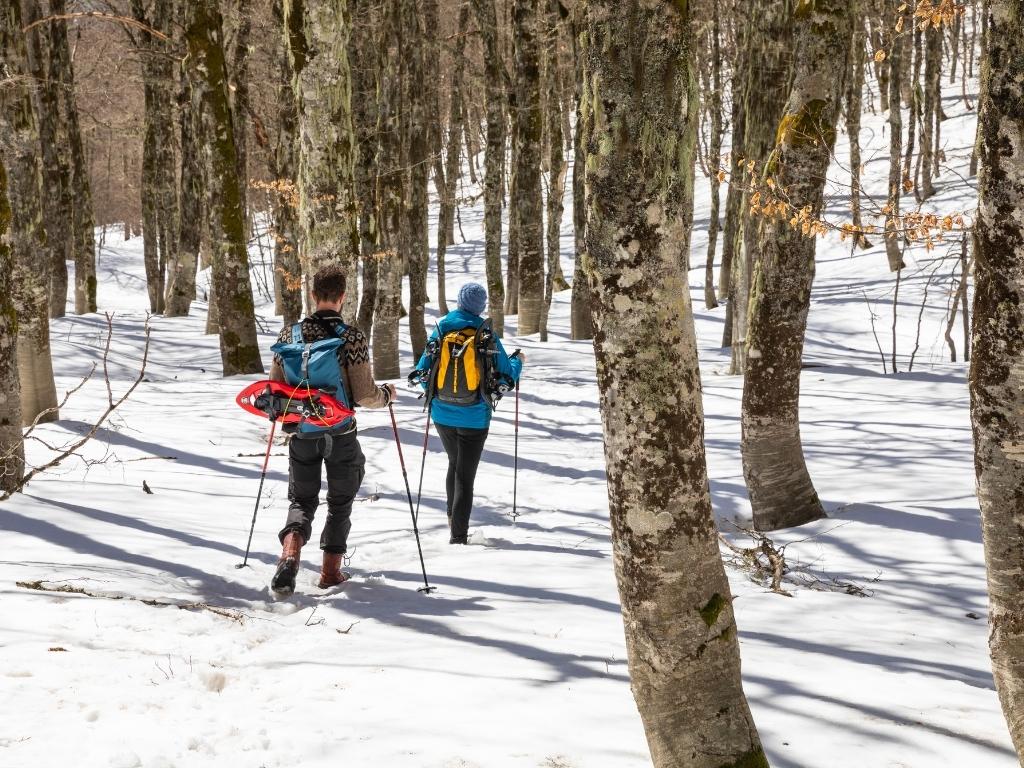
- Snowshoes and poles
Excluded:
- Travel to/from Avezzano Trainstation (or Pescasseroli if you come by car)
- Lunches
- Travel insurance
- Personal expenses
Logistics / Transport
The tour includes a series of internal transfers, starting from the Avezzano bus station, where our guide will pick you up at 2 pm. If you are coming from Rome, please consult the timetables of the Prontobus and LineaRoma companies, which provide connections from Rome Fiumicino and Rome Ciampino airports or from Rome Tiburtina railway station to Avezzano railway station. For any assistance in organising your trip, please contact us.
For those who want to travel independently, you can go directly to Pescasseroli.
Due to possible adverse weather conditions during this travel day, we ask that you DO NOT book train or bus out of Avezzano Terminal Bus any earlier than 3 pm.
Accommodation
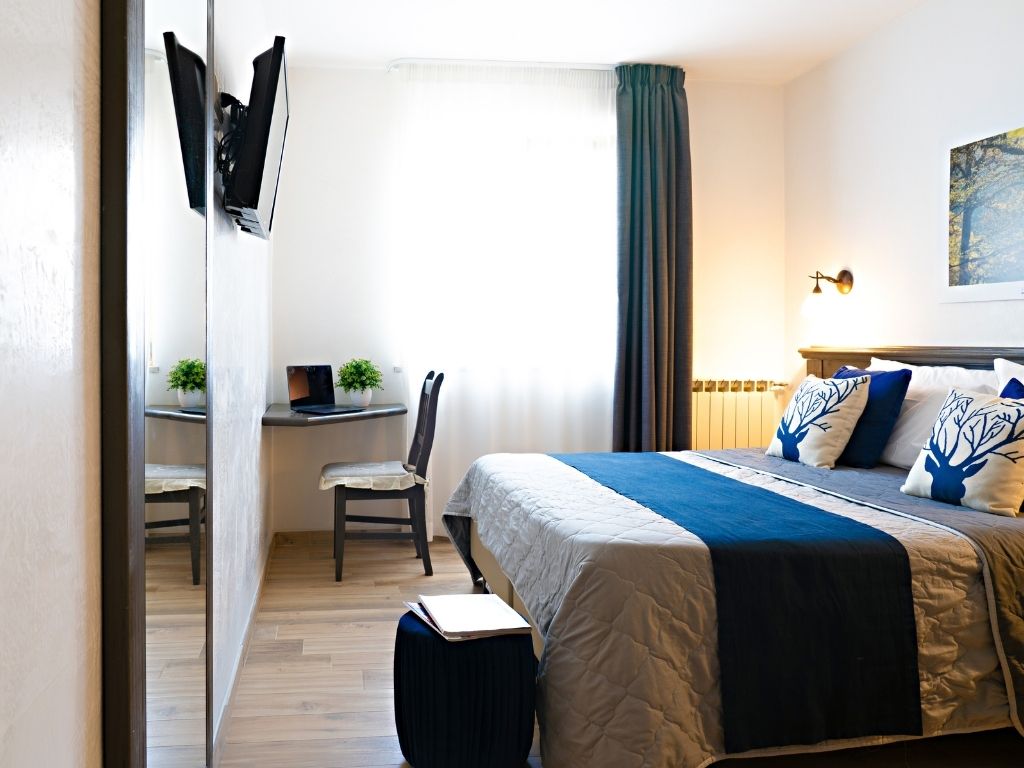
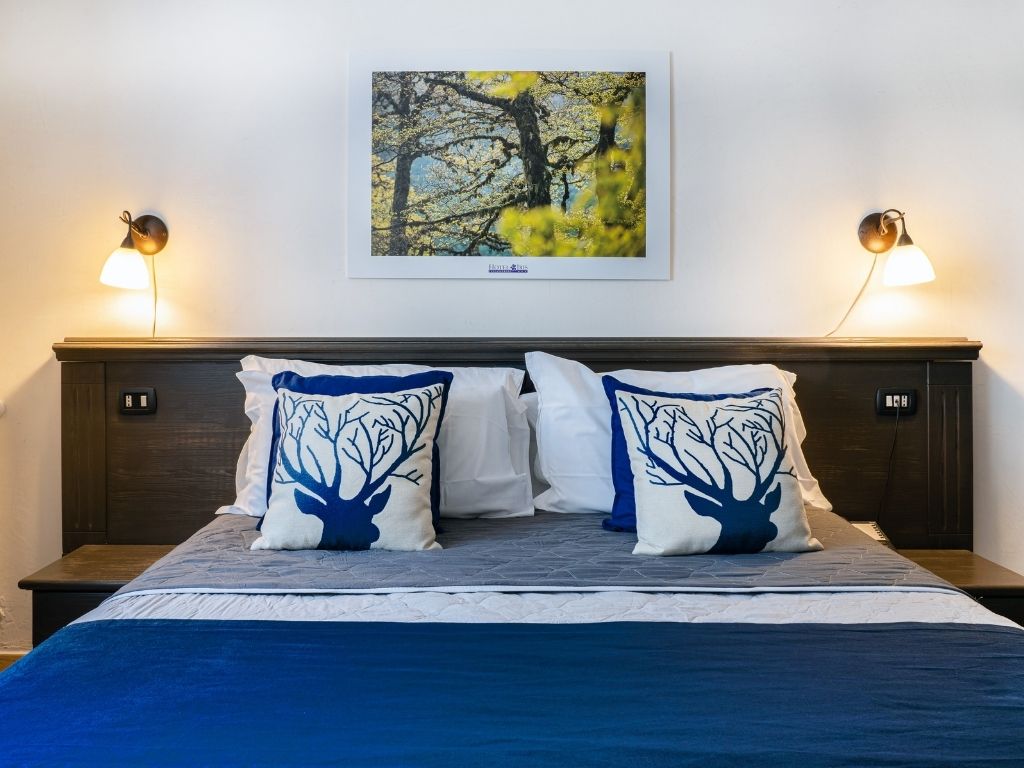
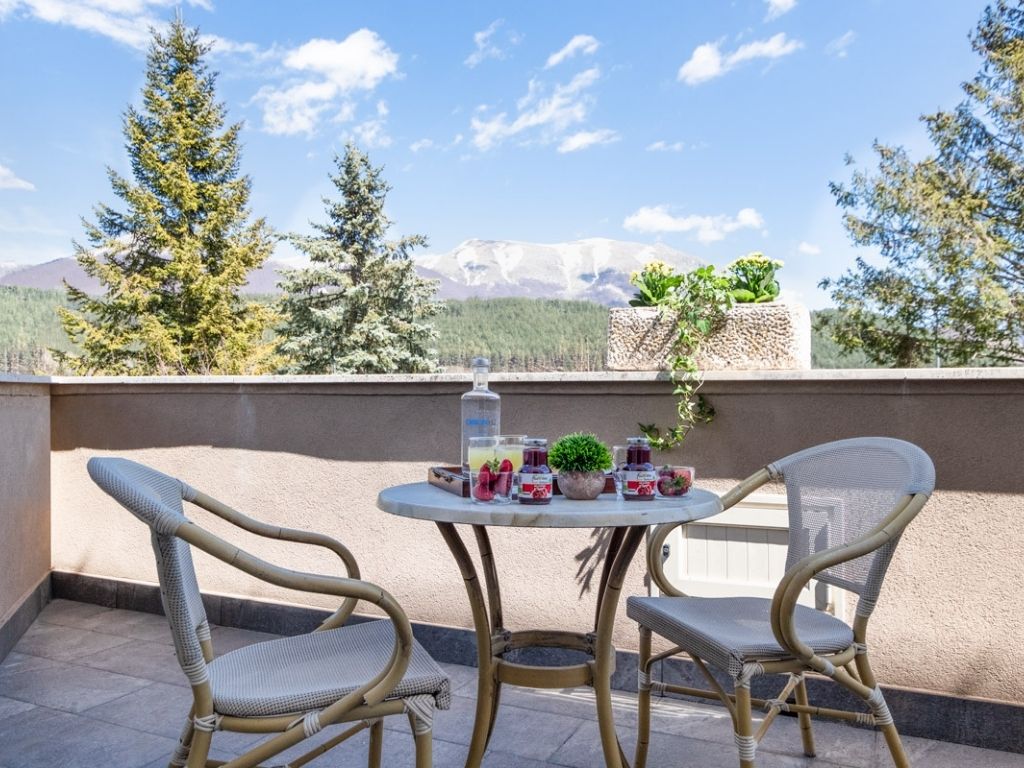
Accommodation is pre-arranged by our tour leader in a small, charming, family-run hotel, in shared double rooms. These tours are usually made up of singles, couples and small groups of 2 or 3 friends, most of whom are between 25 and 50 years old. These adventures are suitable for solo travellers and attract people with a common mindset: a love of nature, a desire to go further and meet like-minded people.
Food
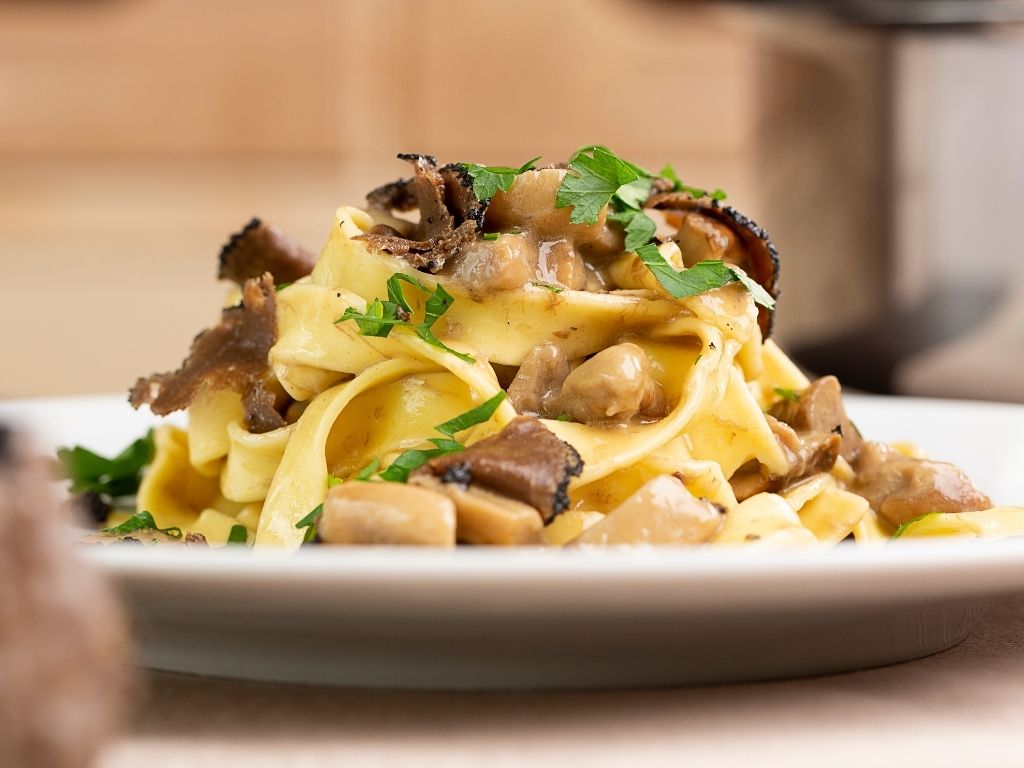
Lunch is not included, you will buy packed lunches each morning from the guesthouse or local shops and bakeries to take with you. For dinner you’ll enjoy traditional Italian dishes such as maccheroni alla chitarra – a special kind of spaghetti, soup with orapi (wild spinach) and beans, gnocchetti and grilled meat. The region has a strong sheep-farming culture, so there are many local dairy products such as pecorino, ricotta, caciocavallo and a rare goat’s cheese called marzolina.
Requests for vegetarian, vegan and other dietary requirements and allergies can be catered for: please do not forget to advise us of these preferences at the time of booking.
Health & Safety
In Italy, wildlife is particularly elusive: spotting animals requires respect, silence, and patience. Most species are active at dawn or dusk, when human disturbance is at its lowest. It’s essential to adapt to early starts, changing weather conditions, and long periods of silent waiting.
Obviously some day could be cold or rainy: our guides will study alternative propose to offer you the best experience. Be sure to be well equipped for each weather condition. Before you arrive, feel free to ask your guide what to expect for your specific trip dates.
Some species require a more active approach, with several hours of hiking needed to reach the best observation areas. Carefully following your guide’s instructions is key—not only for safety, but also to increase your chances of a meaningful encounter. Moving quietly, keeping your distance, and leaving no trace allows for a truly authentic and respectful experience, with minimal impact on the environment and the animals.
We are working with Rewilding Apennines to ensure that this journey achieves net zero emissions by supporting their programmes and ensuring the protection and restoration of natural environments outside protected areas.
Testimonials

Local team & guide
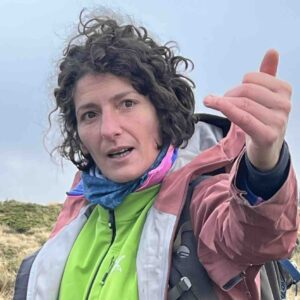
Valeria Roselli
Since she was a child, Valeria walked along the paths through the forest of the mountains where she was born. Her curiosity led her to explore and get to know the territory. Her love of nature and for the Abruzzo mountain’s became her passion, which then became her profession. She is now a nature guide, environmental interpreter and international mountain leader, and one of the most expert guides in the Italian Apennines.
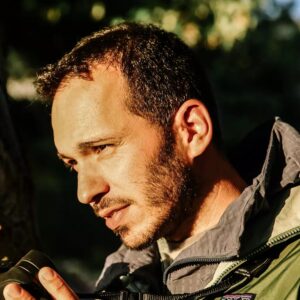
Umberto Esposito
Since his childhood Umberto has lived in the historical area of the National Park of Abruzzo, Lazio and Molise. After graduating, he began his career as a nature guide, combining two great passions in one profession: nature and photography. In 2009 he founded a small tour operator whose mission is to bring people closer to nature. Umberto is also a vital part of several multi media projects in the Central Apennines.