
By Aukje, Founder of MOYO Nature Travel
The Flight In: A Land of Giants and Whispers
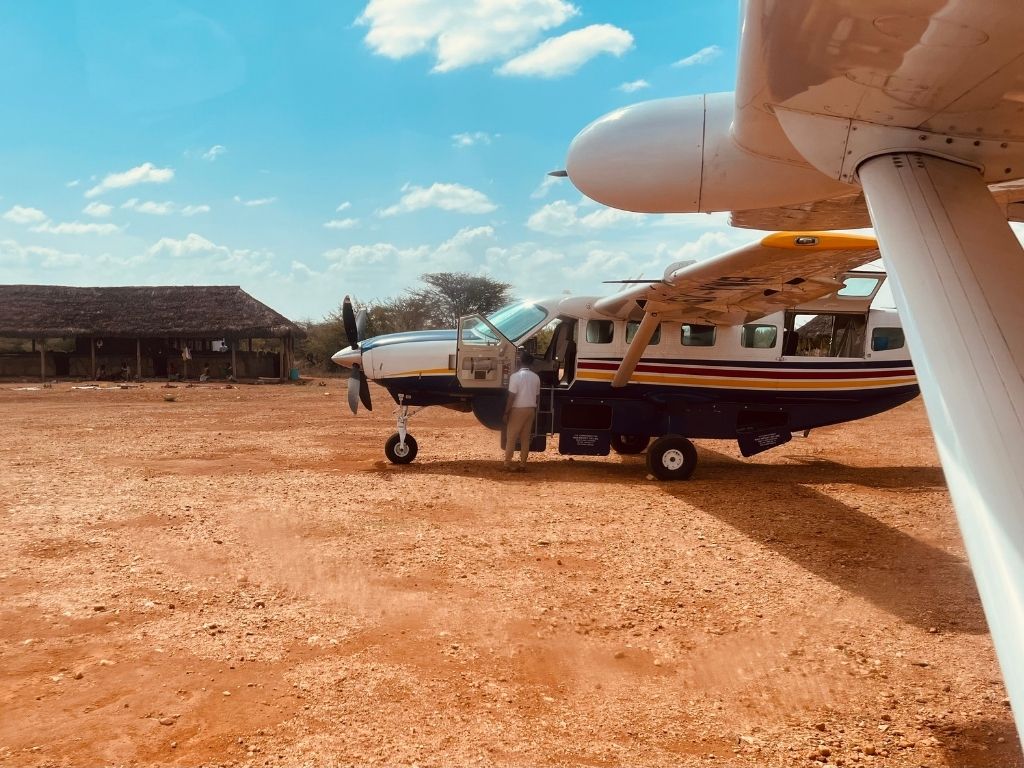
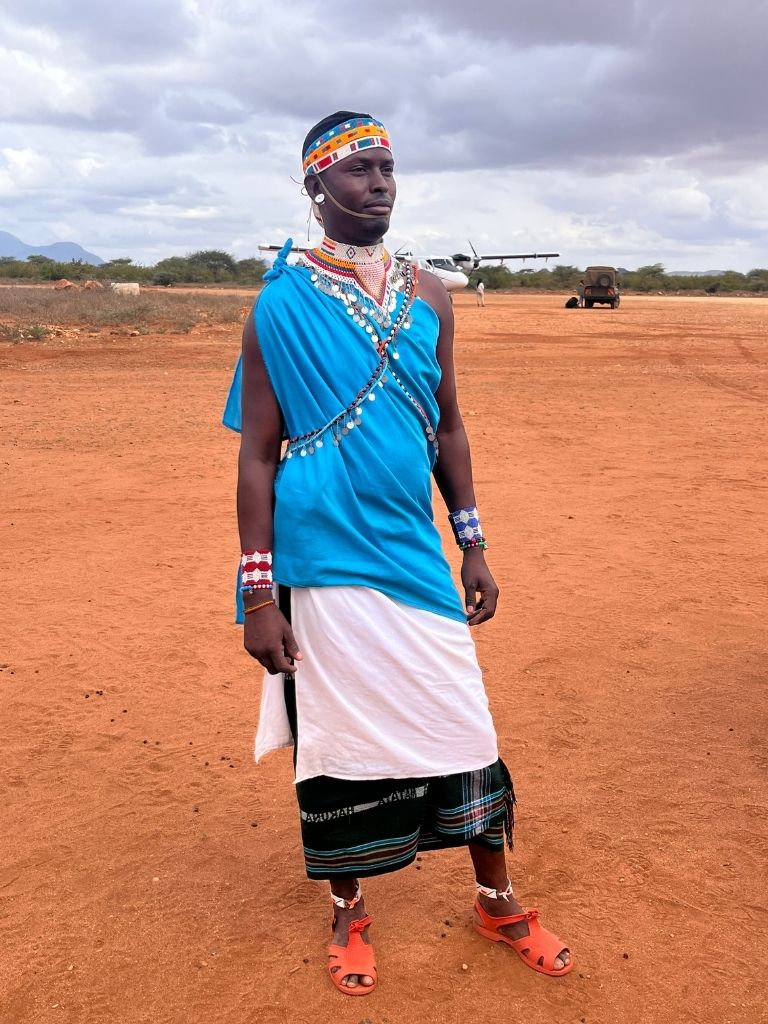
The moment the tiny plane touched down on the dusty airstrip in Kalama, I knew I was somewhere different. The air smelled of dry grass and warm earth, and the horizon stretched endlessly, dotted with acacia trees and the silhouettes of animals I’d only ever seen in documentaries. This was Samburu, a place where the land feels ancient, where the people have walked with wildlife for centuries, and where the line between survival and tradition is as thin as the morning mist.
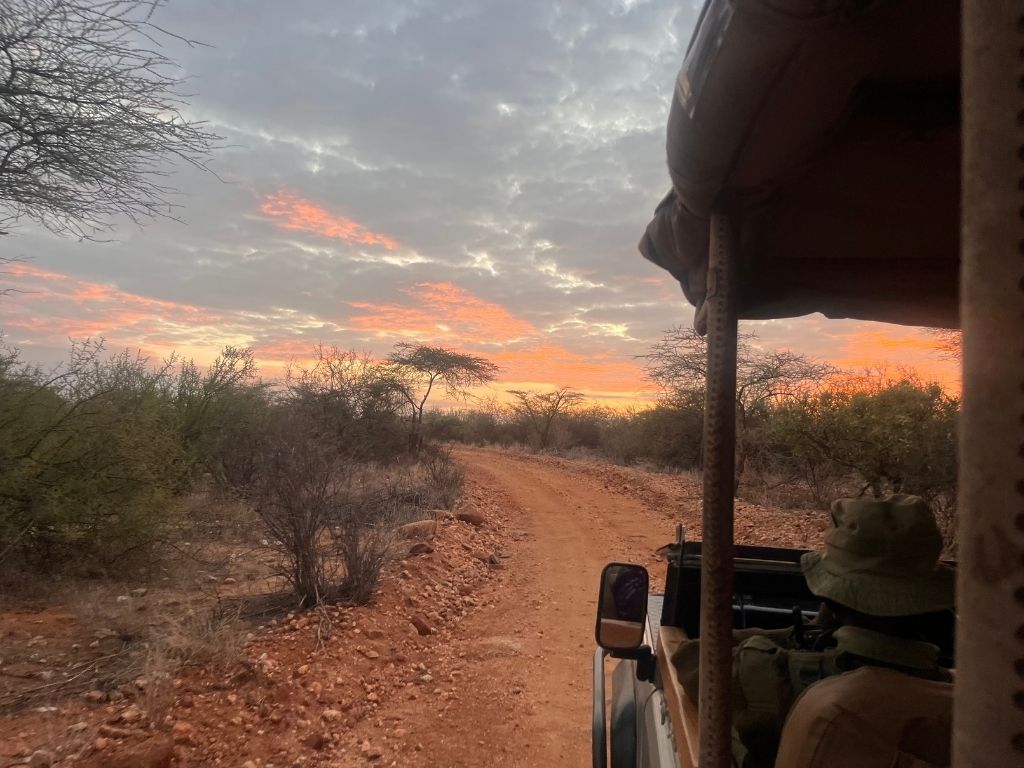
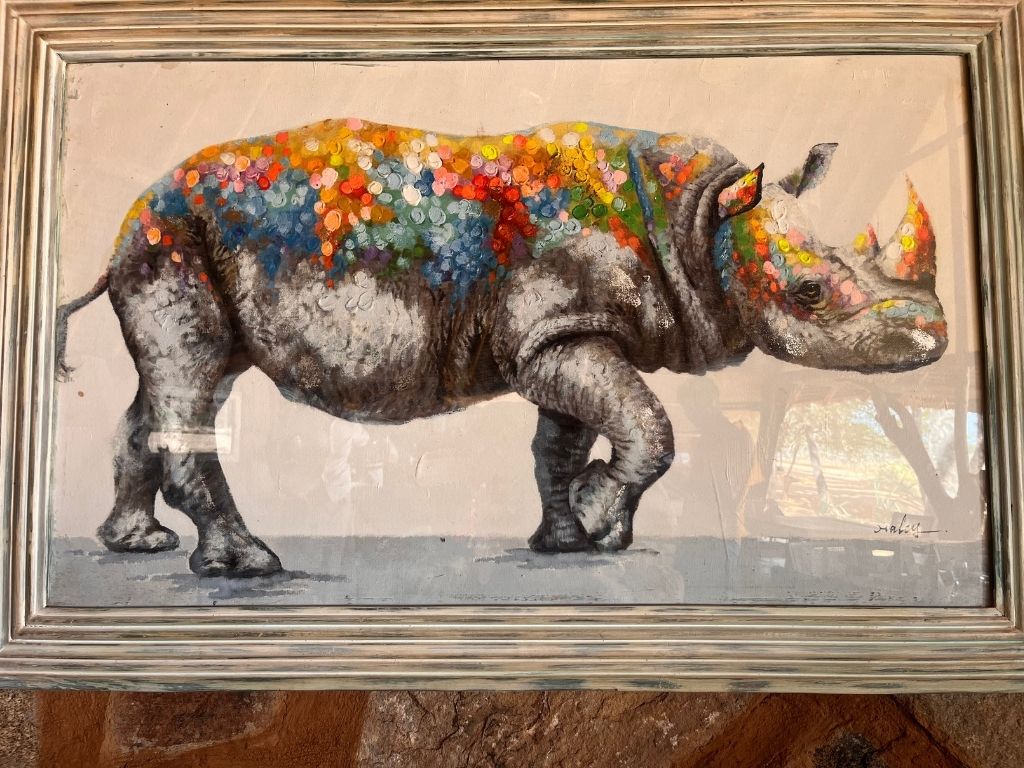
Our guide, Simon, a Samburu man with a quiet confidence and a deep knowledge of the land, met us with a smile. As we bumped along the red dirt roads toward Saruni Rhino, I looked around. This was Sera Conservancy, 107 km² of community-owned land where black and white rhinos – some of the most endangered creatures on Earth were being given a second chance.
The Wild Heart of Samburu and the Weight of Wonder
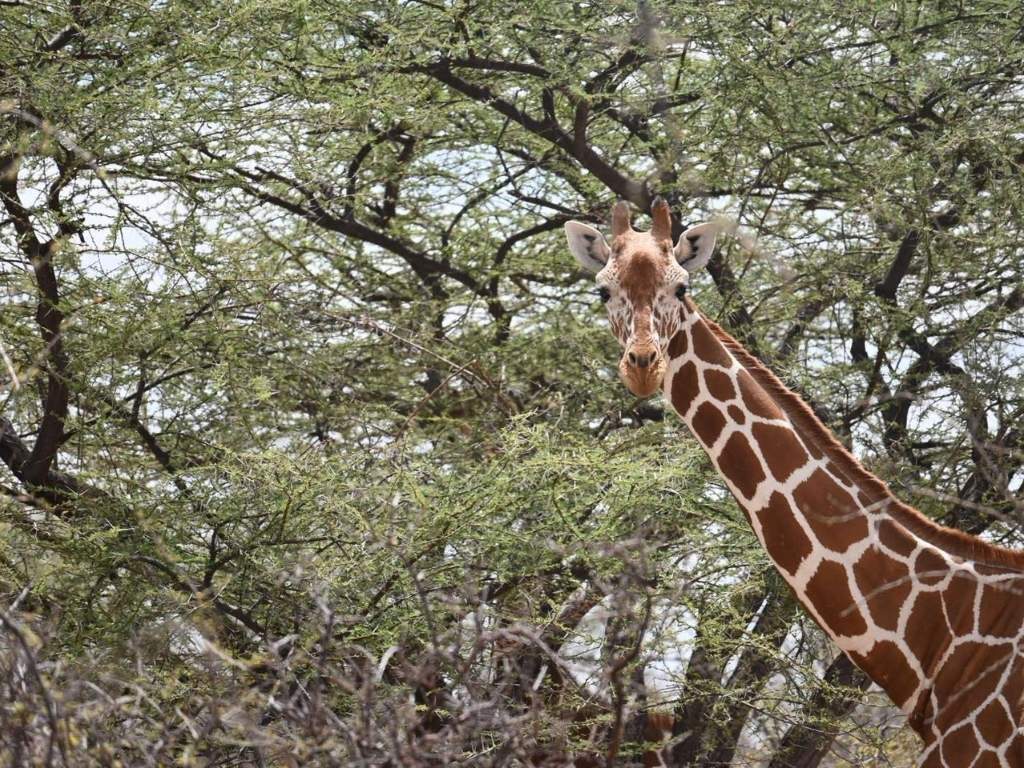
The next morning, we were up before dawn. The air was crisp, the sky showing a variety of pastel colours as we set out to track black rhinos on foot. Soon, we spotted a mother and her calf, their dark forms moving like shadows through the bush. Around us, the land was alive. A tawny eagle circled overhead. Gerenuks, those long-necked antelopes, stand on their hind legs to nibble at acacia leaves. Dik-diks, tiny and delicate, dart between the bushes. A reticulated giraffe, its patchwork coat glowing in the morning light. Lone elephants, and baboon troops watch us with curious eyes.
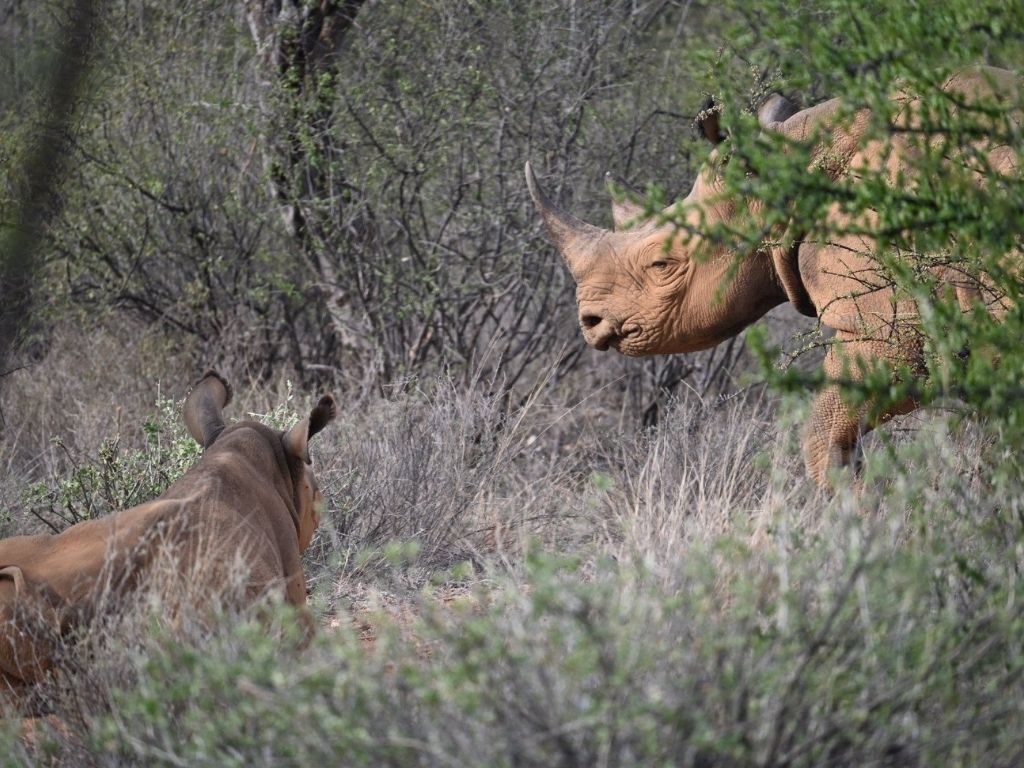
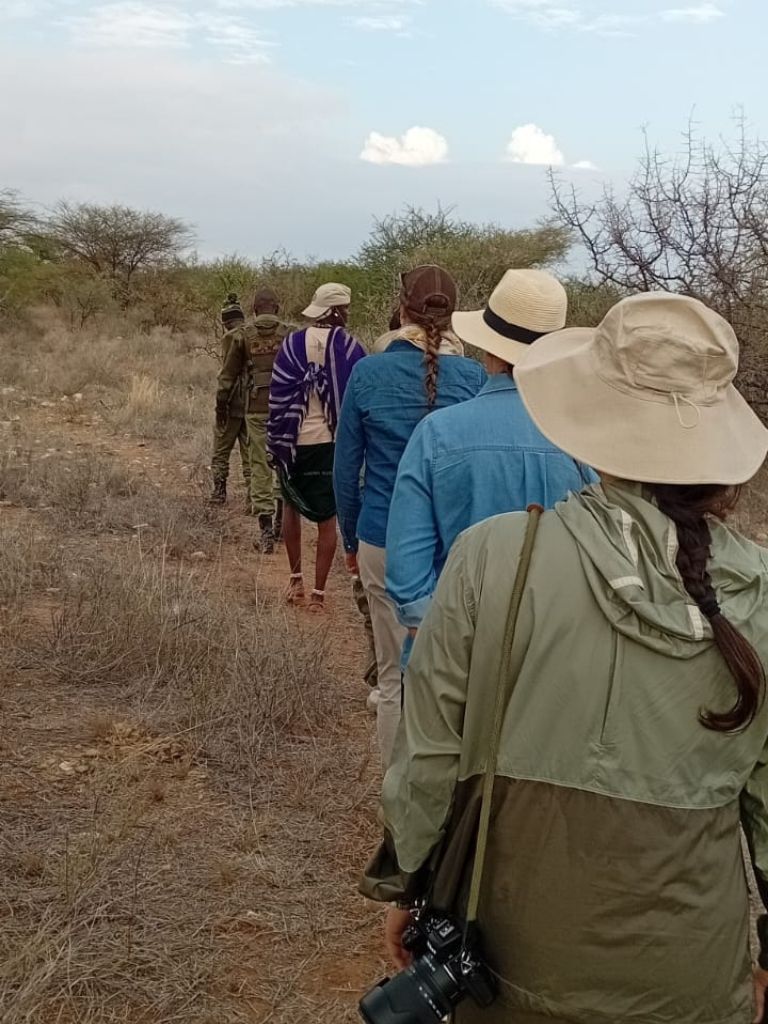
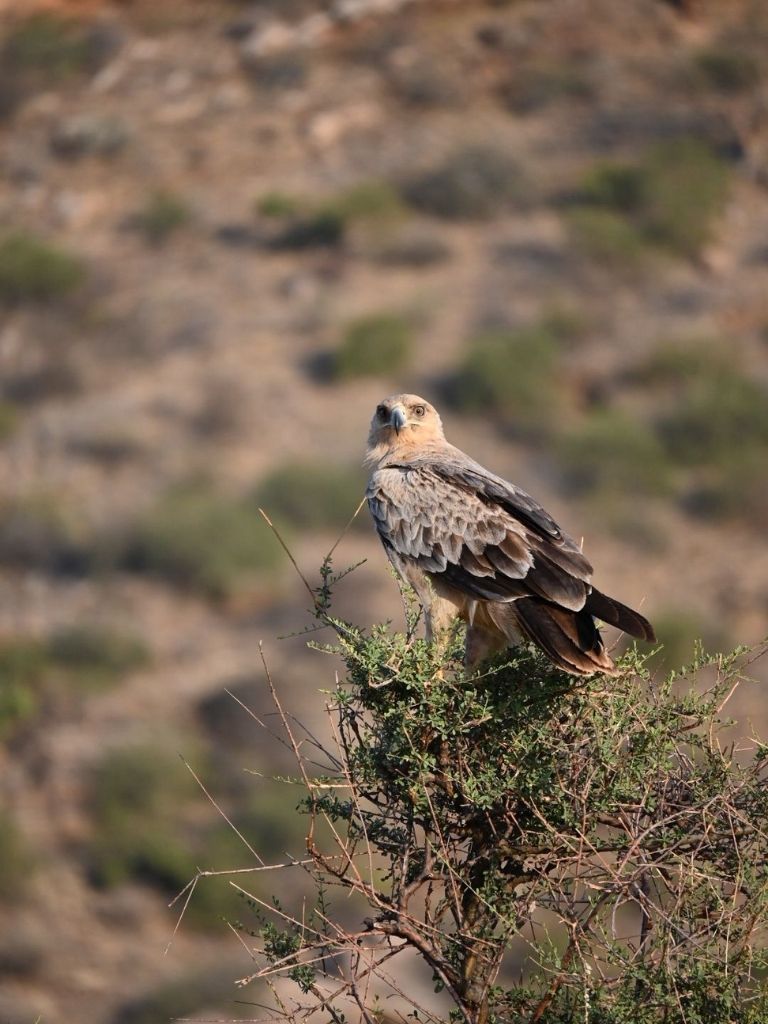
We picnicked under a camelthorn tree, the scent of wild sage mixing with the earthy aroma of freshly brewed coffee. Later, we tracked white rhinos, their massive forms just visible behind the thorny bushes.
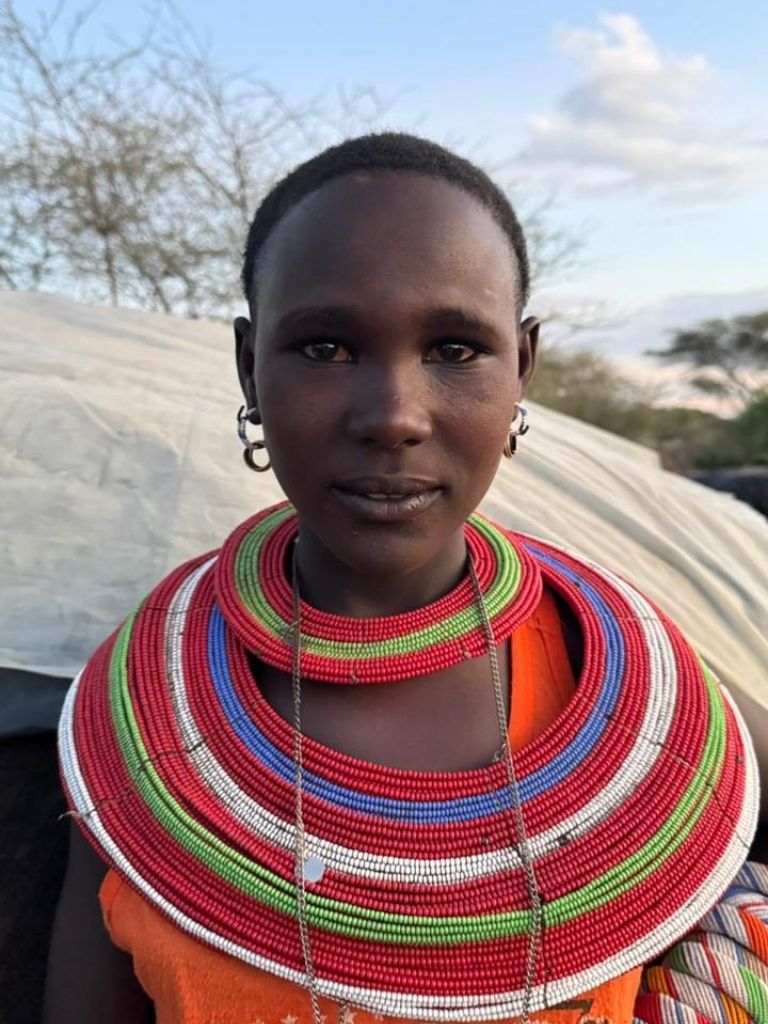
But even as I marveled at these creatures, my mind kept drifting back to the Samburu people. That afternoon, the group had the chance to visit a nearby village. The women were adorned in vibrant beaded jewelry. The children laughed as they played in the dust, their joy infectious. But what about the weight of traditions and the realities of their life?
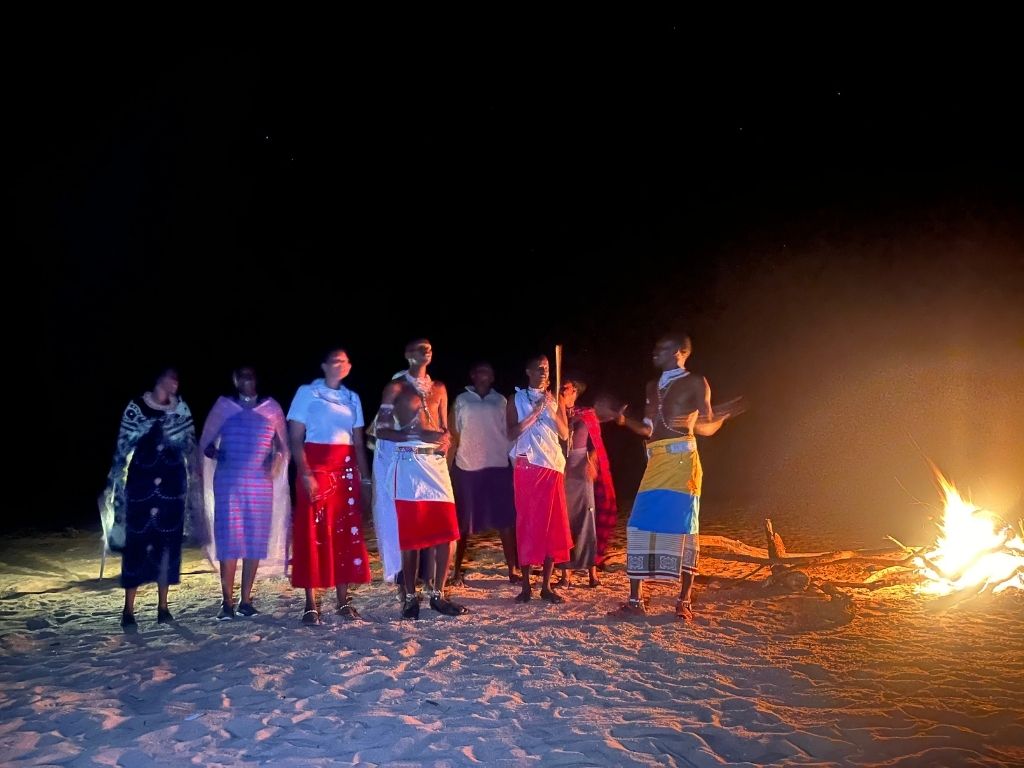
That evening we sat on the dry riverbed in front of the lodge, flames from the campfire flickering against the darkening sky. The Samburu staff sang and danced, their voices rising into the night, their movements telling stories older than any of us. It was beautiful. I lay awake long after the embers died. I thought about the girls in these communities, some of whom would soon face early marriage or FGM. I thought about tourism’s role in all of this. Was it enough to bring income? Could it do more? Should it do more?
The Samburu Special Five
The next day, we moved into the Samburu National Reserve, with views that took my breath. The Samburu Special Five – unique animals found only in this region – were all around us:
- The Somalian ostrich, with its striking blue legs that seem almost unreal against the golden scrub.
- The Grevy’s zebra, its notably large ears an adaptation to this arid environment that makes it instantly recognisable.
- The günther’s dik-dik, no bigger than a hare, moving through the brush with surprising confidence.
- The reticulated giraffe, its body covered in a distinctive geometric pattern that looks almost architectural.
- The Beisa oryx, standing upright against the landscape with long, straight horns catching the light.
Seeing all five in a single day made clear why this reserve matters. These animals exist nowhere else, which means their survival depends entirely on places like this and on travelers who visit responsibly, who support local communities, and who understand that tourism, done right, is conservation in action.
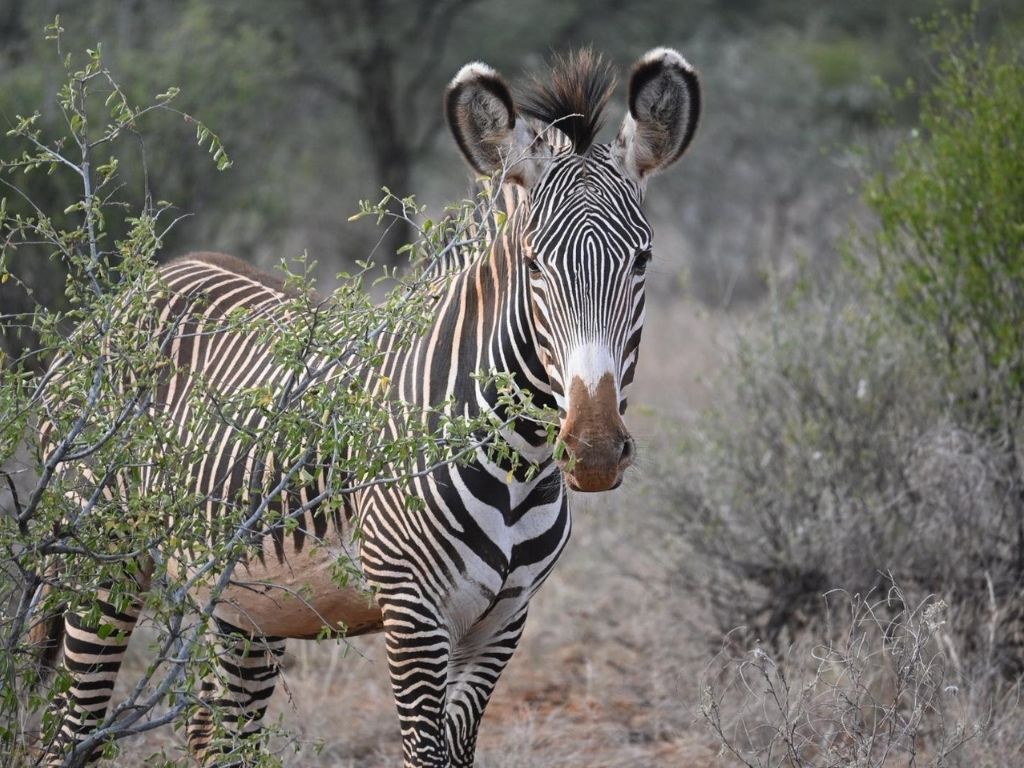
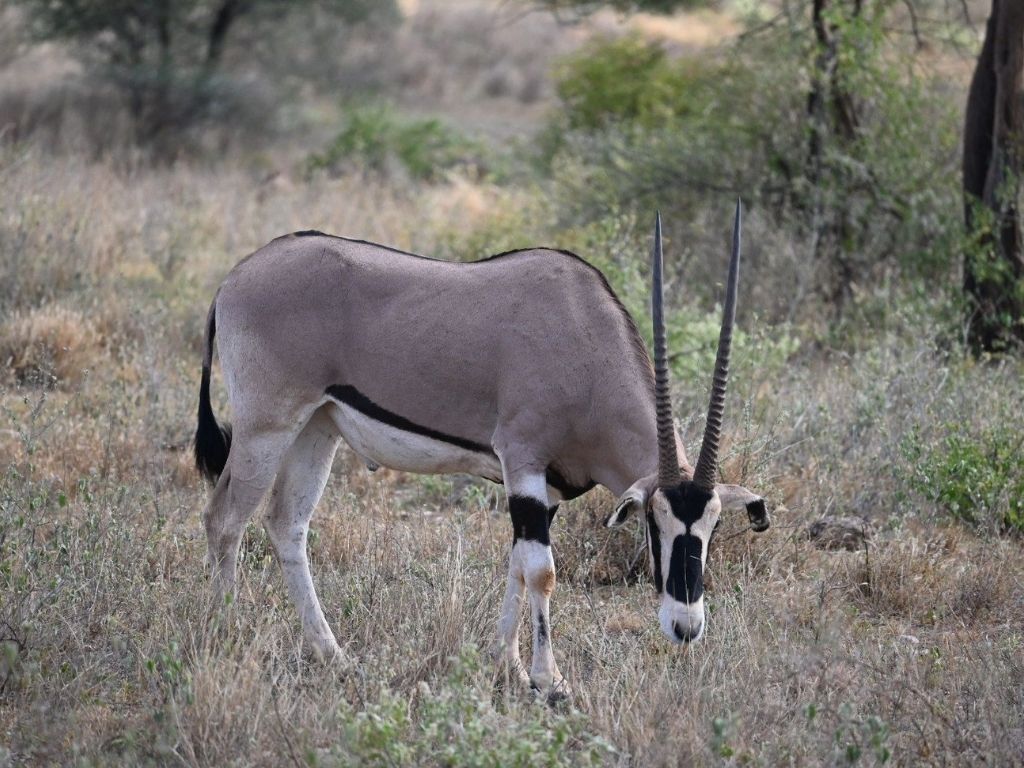
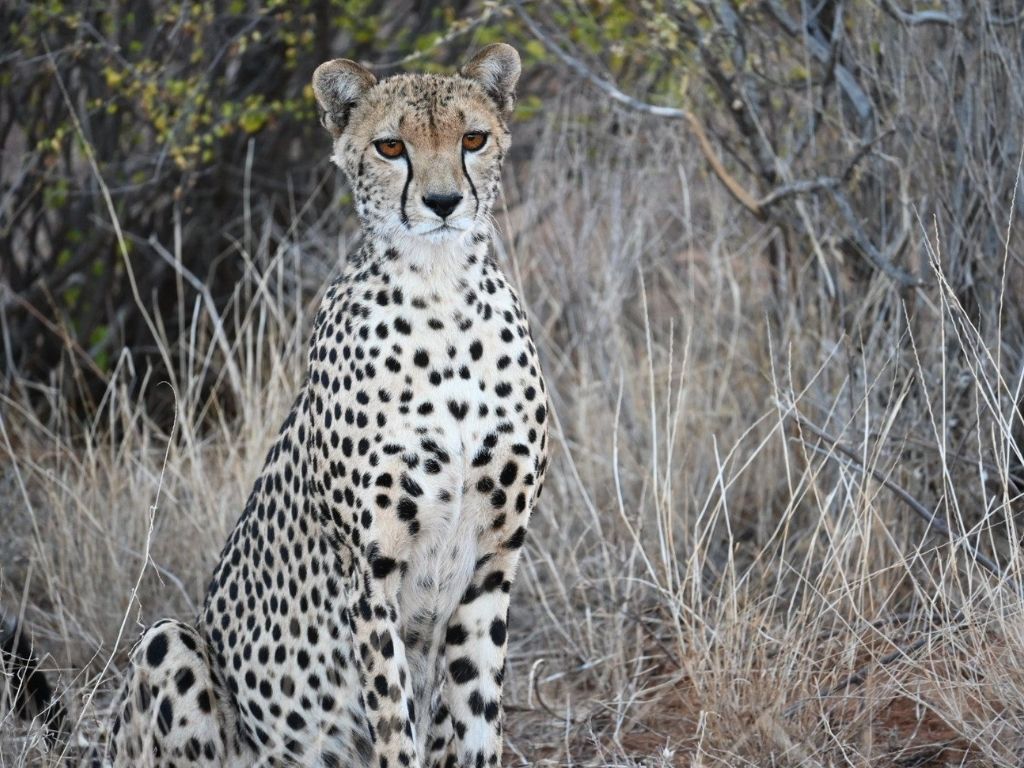
We had a view of Ololokwe Mountain, a sacred place for the Samburu, where the views stretched forever. And on a game drive in Samburu National Reserve, we saw it all. Elephants moving like ghosts through the trees. Lions, their golden eyes watching us from the shade. A cheetah, sleek and silent, scanning the horizon. A young leopard, half-hidden in the branches of an acacia.
Because the wild heart of Samburu isn’t just in its landscapes. It’s in its people. And if we’re going to protect one, we must stand for the other.
On our way back, another Land Cruiser got stuck in the deep sand. As we waited for help, we got out of the cars and started chatting with the drivers, guides, and other travellers. About how special this place was. And how lucky we were to experience it.
The Questions That Stay With Me
As I boarded another tiny plane that would take us to the Mara, the red earth of Samburu still clinging to my boots, I carried more than just memories. I carried questions… the kind that don’t have easy answers.
- What does it really mean for tourism to be a force for good?
- How do we honor traditions while challenging harm?
- Can a lodge, a safari, or a well-meaning traveler truly make a difference?
I don’t have the answers yet. But I know this: Nature positive travel isn’t just about ecosystems. It’s about people.
And so, as MOYO is starting to offer travel experience that gives back, I’m committing to this: We won’t look away from the hard questions. We’ll ask them. We’ll sit with them. And we’ll find ways, however small, to be part of the solution.
Because the wild heart of Samburu isn’t just in its landscapes. It’s in its people. And if we’re going to protect one, we must stand for the other.
Ready to explore the Samburu yourself? Check out our Journeys in Kenya now.
With gratitude to the Samburu people for welcoming us, and to the teams at Saruni Rhino and Basecamp Samburu for their hospitality. All photos were taken with consent.
Words by Aukje van Gerven. Images by Aukje van Gerven and Dalia Militaru.